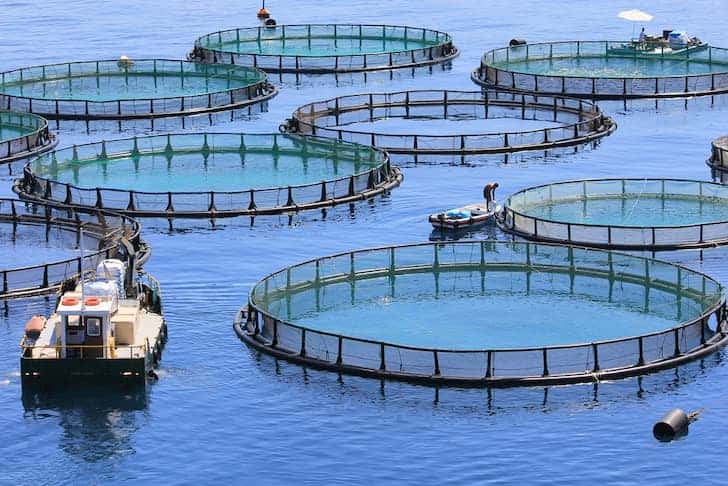
Aquaculture, also known as aquafarming, is the controlled cultivation of aquatic organisms such as fish, crustaceans, mollusks, algae and other organisms of value such as aquatic plants.
deindustrialization
noun
De-industrialization is a process of social and economic change caused by the removal or reduction of industrial capacity or activity in a country or region, especially of heavy industry or manufacturing industry.
economic man
noun
a hypothetical person who behaves in exact accordance with their rational self-interest.
"economic man is a rational actor—he measures costs against benefits"
factory farming
noun
A system of rearing livestock using highly intensive methods, by which poultry, pigs, or cattle are confined indoors under strictly controlled conditions.
footloose industries
noun
Footloose industry is a general term for an industry that can be placed and located at any location without effect from factors of production such as resources, land, labour, and capital.
hydroponics
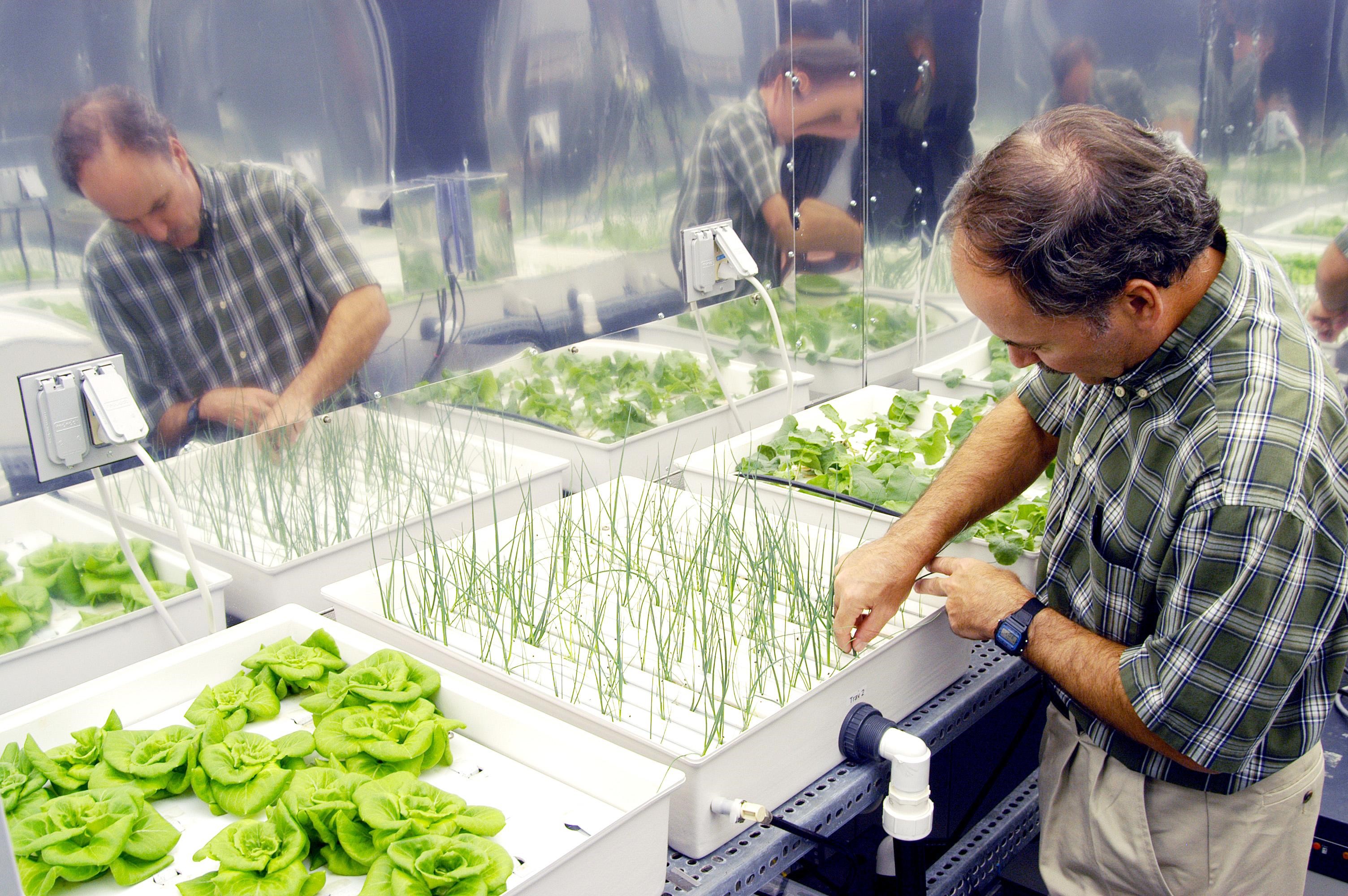
Hydroponics is a type of horticulture and a subset of hydroculture which involves growing plants without soil, by using mineral nutrient solutions in an aqueous solvent.
import substitution industrialization (ISI)
noun
Import substitution industrialization is a trade and economic policy that advocates replacing foreign imports with domestic production. It is based on the premise that a country should attempt to reduce its foreign dependency through the local production of industrialized products.
industrial inertia
noun
Industrial inertia describes a stage at which an industry prefers to run in its former location although the main alluring factors are gone. For example, the raw material source is depleted or an energy crisis has emerged. An industry may still like to stay in its former position because of its fixed cost.
island tourism
noun
Tourism to islands is a special form of tourism that often requires specific consideration as there are distinctive characteristics of islands such as fragile environments and historical and socio-cultural aspects that can result in unique challenges to developing a successful tourism destination.
isodapanes
noun
Isodapane is a similar term to the geographical term isotherm. It was introduced by Alfred Weber. It means "equal transportation cost", used in industrial and economic geography. It is a theoretical tool used to assist in finding the optimal location for industry.
land degradation
noun
Land degradation is a process in which the value of the biophysical environment is affected by a combination of human-induced processes acting upon the land. It is viewed as any change or disturbance to the land perceived to be deleterious or undesirable.
leisure
noun
Leisure has often been defined as a quality of experience or as free time. Free time is time spent away from business, work, job hunting, domestic chores, and education, as well as necessary activities such as eating and sleeping. Leisure as an experience usually emphasizes dimensions of perceived freedom and choice.
locational rent
noun
Locational rent is the money a farmer gains for growing his crops on any particular piece of land. Today we would call it profit. You can calculate locational rent thus: Locational rent = Revenue from selling crop - (Costs of production + costs of transport) From this we can work out the profits for each piece of land.
mainland tourism
noun
Mainland tourism focuses on ecotourism and heritage tourism and it may be farther inland and encompass a more geographically diverse environment, which include mountains, valleys, plains, rivers and lakes as well as coastal areas.
package tour
noun
A holiday organized by a travel agent, with arrangements for transport, accommodation, etc., made at an inclusive price.
primary economic activity
phrase
The primary sector of the economy includes any industry involved in the extraction and production of raw materials, such as farming, logging, hunting, fishing, and mining. The primary sector tends to make up a larger portion of the economy in developing countries than it does in developed countries.
quaternary economic activity
phrase
The quaternary sector consists of those industries providing information services, such as computing, ICT (information and communication technologies), consultancy (offering advice to businesses) and R&D (research, particularly in scientific fields).
quinary economic activity
phrase
Quinary activities are services that focus on the creation, re-arrangement and interpretation of new and existing ideas; data interpretation and the use and evaluation of new technologies.
The primary difference between quinary and quaternary is that quinary involves high-level thinking and policy-making based on a large quantity of research and data. Something like ecotourism, that combines environmental conservatism with the industry of tourism, is an example of a quinary economic activity.
recreation
noun
Recreation is an activity of leisure, leisure being discretionary time. The "need to do something for recreation" is an essential element of human biology and psychology. Recreational activities are often done for enjoyment, amusement, or pleasure and are considered to be "fun".
secondary economic activity
phrase
The secondary sector of the economy is an economic sector in the three-sector theory that describes the role of manufacturing. It encompasses industries that produce a finished, usable product or are involved in construction.
sub-optimum location
noun
A satisfactory, but not optimal, location.
sustainable agriculture
noun
Sustainable agriculture is farming in sustainable ways meeting society's present food and textile needs, without compromising the ability for current or future generations to meet their needs. It can be based on an understanding of ecosystem services.
tertiary economic activity
phrase
The tertiary economic activity or service sector encompasses the production of services instead of end goods that meet the needs of individuals.